



Try it for free and see how you can learn how to distinguish

With every purchase in
Try it for free and see how you can learn how to distinguish
With every purchase in

The Baby Language app teaches you the ability to distinguish different types of baby cries yourself. It comes with a support tool to help you in the first period when learning to distinguish baby cries. It points you in the right direction by real-time distinguishing baby cries and translating them into understandable language.
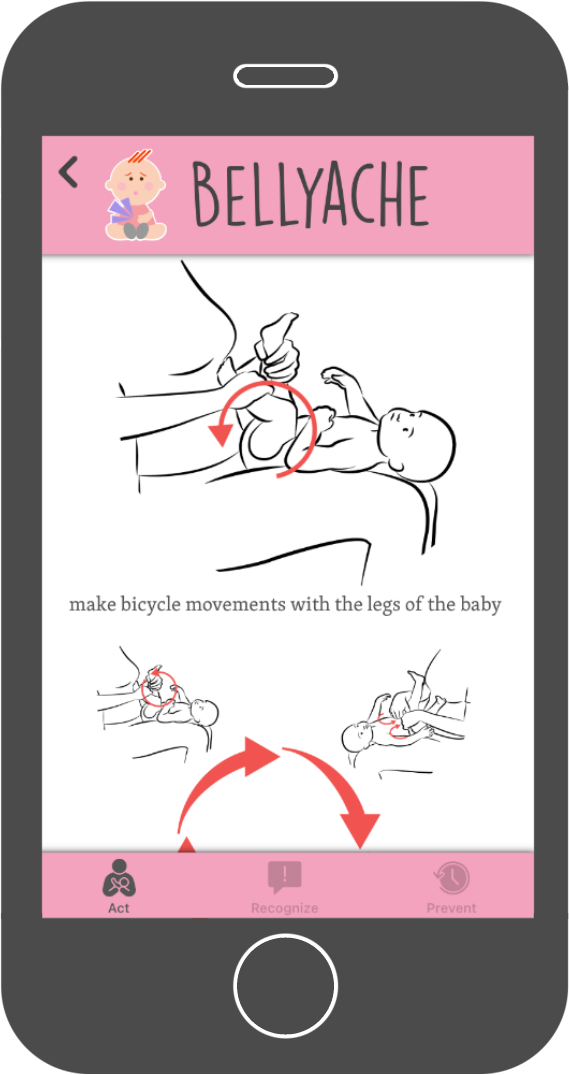 The Baby Language app shows you many different ways on how to handle each specific cry. It provides you with lots of information and illustrations on how to prevent or reduce all different kind of cries.
The book is divided into several chapters, each focusing on a specific aspect of quantitative analytical chemistry. The early chapters introduce the fundamental principles of analytical chemistry, including the concepts of accuracy, precision, and uncertainty. The later chapters delve into more advanced topics, such as spectroscopic methods, chromatography, and kinetic methods.
Quantitative Analytical Chemistry, also known as "Chimica Analitica Quantitativa" in Italian, is a fundamental branch of chemistry that deals with the analysis and identification of the chemical composition of substances. The book "Chimica Analitica Quantitativa" by Daniel C. Harris is a renowned textbook in this field, widely used by students and professionals alike.
One of the strengths of "Chimica Analitica Quantitativa" is its emphasis on problem-solving and practical applications. Harris provides numerous examples and exercises throughout the book, allowing readers to practice and reinforce their understanding of the material. The book also includes several case studies and real-world applications, illustrating the importance of quantitative analytical chemistry in various fields, such as pharmaceuticals, environmental science, and forensic analysis.
The book provides a comprehensive overview of quantitative analytical chemistry, covering topics such as chemical equilibrium, acid-base chemistry, complexometric titrations, and electrochemical methods. Harris, a well-known expert in the field, presents the material in a clear and concise manner, making it easy to understand and apply.

Founder and Developer

UI/UX Designer

Dutch translator
and coordinator

Webdesigner chimica analitica quantitativa harris download pdf

Spanish translator

French translator

Italian translator The book is divided into several chapters, each

German translator

Indonesian translator

Portuguese translator One of the strengths of "Chimica Analitica Quantitativa"

Russian translator

3D Graphic artist

Arabic translator

Magazine
Thanks to Baby Language I really got to know my child better. I now know how to find out what is bothering him and more important; How to prevent his inconveniences. He hardly cries
Technology News Website
Baby Language one of the must have
if you are a parent with small
TechWibe
The book is divided into several chapters, each focusing on a specific aspect of quantitative analytical chemistry. The early chapters introduce the fundamental principles of analytical chemistry, including the concepts of accuracy, precision, and uncertainty. The later chapters delve into more advanced topics, such as spectroscopic methods, chromatography, and kinetic methods.
Quantitative Analytical Chemistry, also known as "Chimica Analitica Quantitativa" in Italian, is a fundamental branch of chemistry that deals with the analysis and identification of the chemical composition of substances. The book "Chimica Analitica Quantitativa" by Daniel C. Harris is a renowned textbook in this field, widely used by students and professionals alike.
One of the strengths of "Chimica Analitica Quantitativa" is its emphasis on problem-solving and practical applications. Harris provides numerous examples and exercises throughout the book, allowing readers to practice and reinforce their understanding of the material. The book also includes several case studies and real-world applications, illustrating the importance of quantitative analytical chemistry in various fields, such as pharmaceuticals, environmental science, and forensic analysis.
The book provides a comprehensive overview of quantitative analytical chemistry, covering topics such as chemical equilibrium, acid-base chemistry, complexometric titrations, and electrochemical methods. Harris, a well-known expert in the field, presents the material in a clear and concise manner, making it easy to understand and apply.