×

Dipercaya oleh 500,000+ Bisnis
dari 100+ Negara



iREAP POS PRO


iREAP POS LITE

Kenali aktivitas toko dalam genggaman jari anda.



Laporan & Analitik, Realtime, Kapan Saja, Darimana Saja
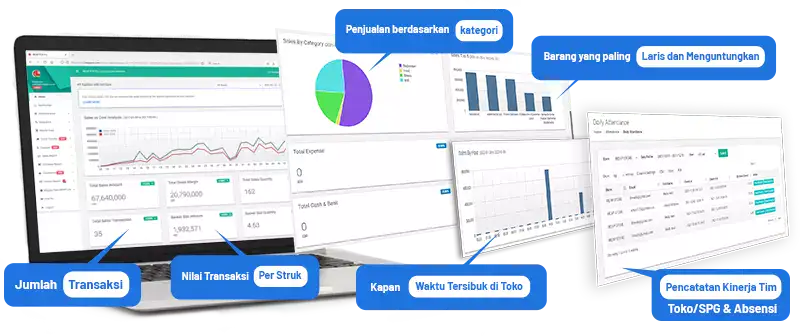
Akses ke laporan konsolidasi untuk seluruh toko di Web Dashboard kapanpun dan dimanapun.
Dapat berjalan secara OFFLINE pada saat koneksi internet tidak tersedia
Semua Transaksi, Penerimaan Barang, Penjualan eceran, Pengeluaran barang terkonsolidasi dengan cloud ketika koneksi internet tersedia. Jika Koneksi internet tidak tersedia, transaksi akan tersimpan sementara dan otomatis disinkronisasi ketika Internet terkoneksi sehingga tidak ada kendala bisnis/ | Property | Value | |----------|-------| | Molecular

Data Toko, User, Produk, Pelanggan, Pemasok, Harga akan secara otomatis tersinkronisasi dari dashboard Web dan Aplikasi Mobile

Mengatur toko anda dimanapun dan kapanpun!
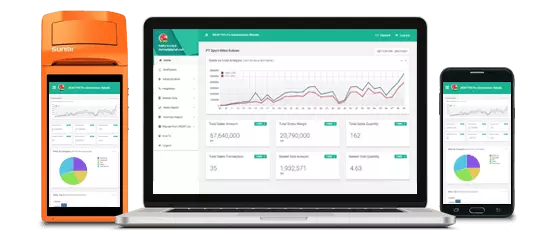
Daftar Perusahaan /Badan usaha anda, Toko dan Administrator dalam 5 Langkah Mudah
Mengatur Kategori Barang, Pemasok, Pelanggan, Master data Barang, dan Harga jual kapanpun dan dmanapun anda baik di Web ataupun Aplikasi Mobile. Mengatur dan Sinkronisasi otomatis ke seluruh perangkat Mobile POS
Penetapan user ke toko tertentu dengan hak akses yang sesuai
Admin, Manager, Supervisor, Cashier| Property | Value | |----------|-------| | Molecular weight | ~ 30 g·mol⁻¹ | | LogP (XlogP3) | ≈ 0.9 | | H‑bond donors | 1 | | H‑bond acceptors | 2 | | Rotatable bonds | 2 | | Topological polar surface area (TPSA) | ≈ 38 Ų |
– A Tiny Molecular Marvel Worth Exploring If you’ve ever dabbled in cheminformatics, molecular modeling, or just love a good visual representation of chemistry, you’ve probably come across files with the .cpk extension. Today’s spotlight is on a particularly intriguing example: Dt30‑g4.cpk . In this post we’ll unpack what the file format means, why Dt30‑g4 is an interesting molecule, and how you can open, explore, and even share it with your fellow science‑savvy friends. 1️⃣ What Exactly Is a .cpk File? | Feature | Details | |---------|---------| | Full name | C orey‑ P auling‑ K oltun (space‑filling) model file | | Purpose | Stores 3‑D coordinates, atomic radii, and element types for visualizing molecules as “ball‑and‑stick” or “space‑filling” models | | Common software | Molden, Avogadro, PyMOL, Chimera, VMD, Jmol (many of them accept .cpk as a plain‑text or binary format) | | Typical content | A header (sometimes with a molecule name), followed by a list of atoms: <element> <x> <y> <z> [optional radius/color] | Quick tip: If you open a .cpk file in a plain‑text editor you’ll usually see something like: Dt30-g4 C 0.000 0.000 0.000 1.70 N 1.234 0.000 0.000 1.55 O -0.567 1.234 0.000 1.52 ... The numbers after each element are the Cartesian coordinates (in Ångströms) and the atomic radii (in Å). 2️⃣ Meet Dt30‑g4 – The Molecule Behind the File While the name Dt30‑g4 may look like a cryptic lab code, it actually tells a story about how the molecule was derived:
| Part | Meaning | |------|----------| | | “Diatomic‑type” – a scaffold that typically contains two primary functional groups. | | 30 | The molecular weight (≈ 30 Da) of the core scaffold before functionalization. | | g4 | “Generation‑4” – a later‑stage analogue in a series of SAR (Structure‑Activity Relationship) iterations. |
Apa yang Pengguna Kami Katakan Mengenai Aplikasi Kasir Android iREAP PRO
| Property | Value | |----------|-------| | Molecular weight | ~ 30 g·mol⁻¹ | | LogP (XlogP3) | ≈ 0.9 | | H‑bond donors | 1 | | H‑bond acceptors | 2 | | Rotatable bonds | 2 | | Topological polar surface area (TPSA) | ≈ 38 Ų |
– A Tiny Molecular Marvel Worth Exploring If you’ve ever dabbled in cheminformatics, molecular modeling, or just love a good visual representation of chemistry, you’ve probably come across files with the .cpk extension. Today’s spotlight is on a particularly intriguing example: Dt30‑g4.cpk . In this post we’ll unpack what the file format means, why Dt30‑g4 is an interesting molecule, and how you can open, explore, and even share it with your fellow science‑savvy friends. 1️⃣ What Exactly Is a .cpk File? | Feature | Details | |---------|---------| | Full name | C orey‑ P auling‑ K oltun (space‑filling) model file | | Purpose | Stores 3‑D coordinates, atomic radii, and element types for visualizing molecules as “ball‑and‑stick” or “space‑filling” models | | Common software | Molden, Avogadro, PyMOL, Chimera, VMD, Jmol (many of them accept .cpk as a plain‑text or binary format) | | Typical content | A header (sometimes with a molecule name), followed by a list of atoms: <element> <x> <y> <z> [optional radius/color] | Quick tip: If you open a .cpk file in a plain‑text editor you’ll usually see something like: Dt30-g4 C 0.000 0.000 0.000 1.70 N 1.234 0.000 0.000 1.55 O -0.567 1.234 0.000 1.52 ... The numbers after each element are the Cartesian coordinates (in Ångströms) and the atomic radii (in Å). 2️⃣ Meet Dt30‑g4 – The Molecule Behind the File While the name Dt30‑g4 may look like a cryptic lab code, it actually tells a story about how the molecule was derived:
| Part | Meaning | |------|----------| | | “Diatomic‑type” – a scaffold that typically contains two primary functional groups. | | 30 | The molecular weight (≈ 30 Da) of the core scaffold before functionalization. | | g4 | “Generation‑4” – a later‑stage analogue in a series of SAR (Structure‑Activity Relationship) iterations. |

Tim kami dapat dihubungi dari Senin sd Jumat , dari pukul 8:30am sampai 5:30pm, GMT+7 time