3. New Piece – Minuet in D (10 min) - Right‑hand melody (bars 1‑8) – finger numbers in red - Left‑hand accompaniment – broken chords, simple arpeggios
1. Warm‑up (5 min) - Review C‑major scale (two octaves, hands together) - Play D‑major scale hands separate, 2‑octave, legato
Lesson 4 – The D‑major Scale & “Minuet in D”
The Essor Piano series is a modern piano method designed for beginners and intermediate players. It combines progressive technical exercises, musical pieces, and theory in a clear, visually appealing PDF format. The method is popular in both private teaching studios and school programs because it balances skill development with musical enjoyment. Core Features | Feature | Description | Example | |---------|-------------|---------| | Gradual progression | Lessons are organized in small, manageable steps, each building on the previous one. | Lesson 3 introduces the C‑major scale after mastering the C‑major chord in Lesson 2. | | Integrated theory | Each lesson includes a short theory box (key signatures, rhythm, dynamics). | Lesson 5 explains the concept of “staccato” and then applies it to a short étude. | | Repertoire selection | A variety of short pieces—from folk tunes to contemporary pop—keeps students motivated. | “Ode to Joy” (Beethoven) appears in Lesson 7, while “Let It Be” (The Beatles) is in Lesson 12. | | Technical exercises | Scales, arpeggios, and finger‑independence drills are presented in musical contexts. | A 2‑octave G‑major scale is embedded in a simple melody in Lesson 9. | | Visual layout | Large staff notation, color‑coded finger numbers, and ample margin space for notes. | Finger numbers are highlighted in red, making hand positioning obvious at a glance. | Sample Lesson Structure Below is a typical lesson excerpt (Lesson 4) reproduced from the PDF to illustrate the format.
4. Technical Exercise (5 min) - D‑major scale, hands together, 4‑note groups, metronome 80 bpm
2. Theory (3 min) - Key signature: two sharps (F♯, C♯) - Relative minor: B‑minor
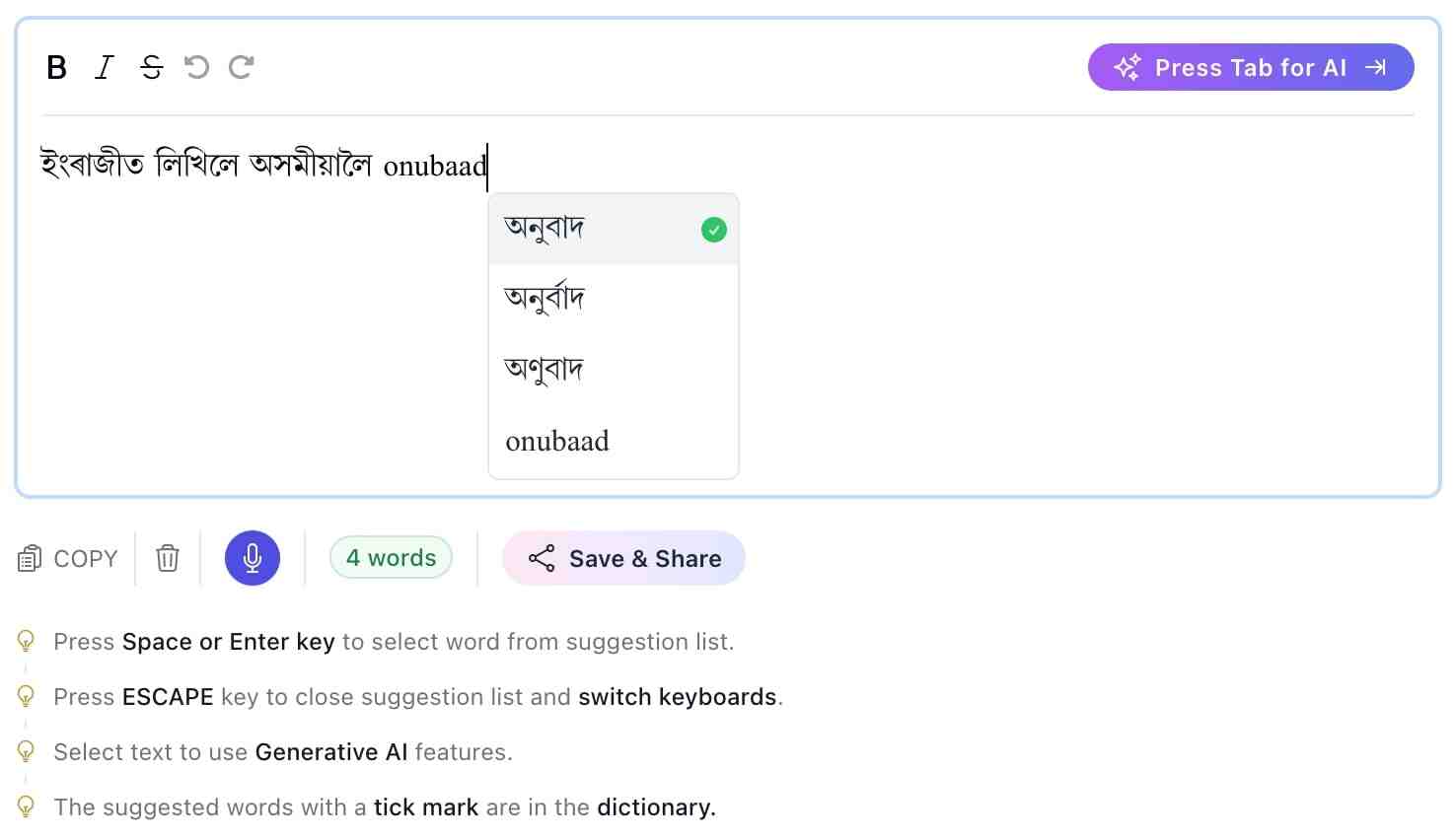
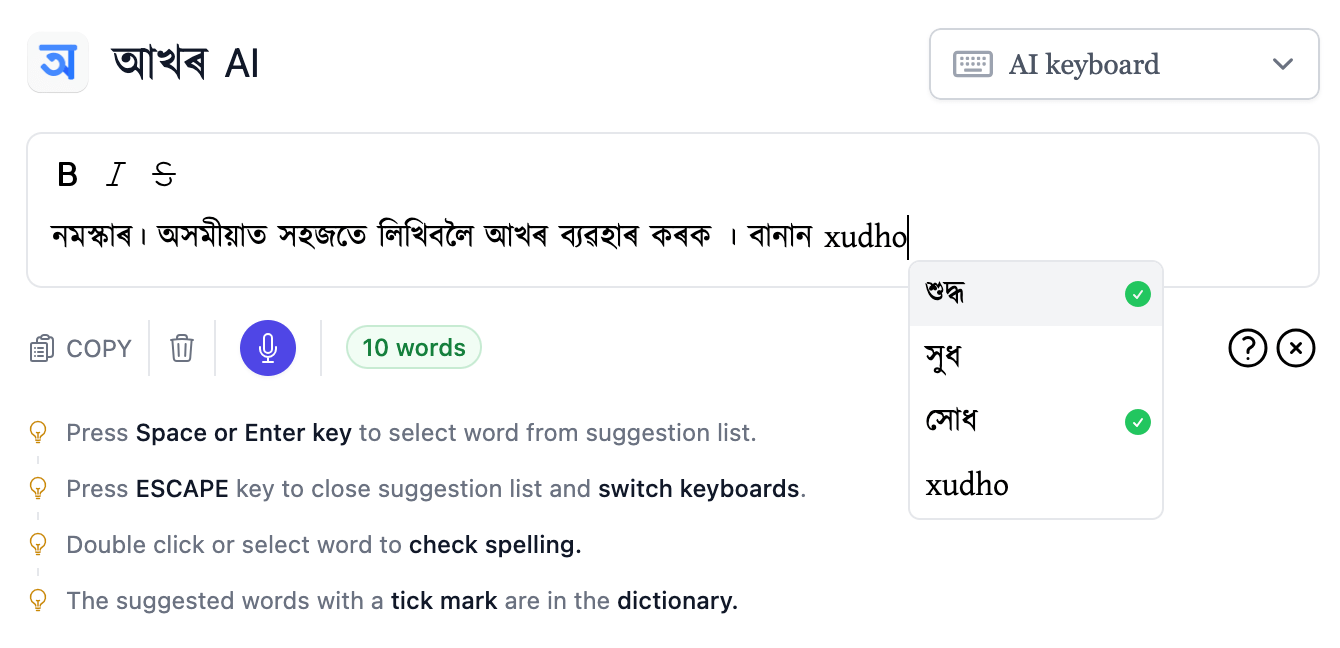
Experience the power of our AI-powered keyboard. Type Assamese faster than ever, even if you don't know the script!
Type Assamese words using English letters and get instant Assamese result.
Get real-time spelling corrections as you type for error-free writing.
Choose from smart AI suggestions to speed up your typing and improve accuracy.
No prior experience needed. Start writing Assamese in minutes!
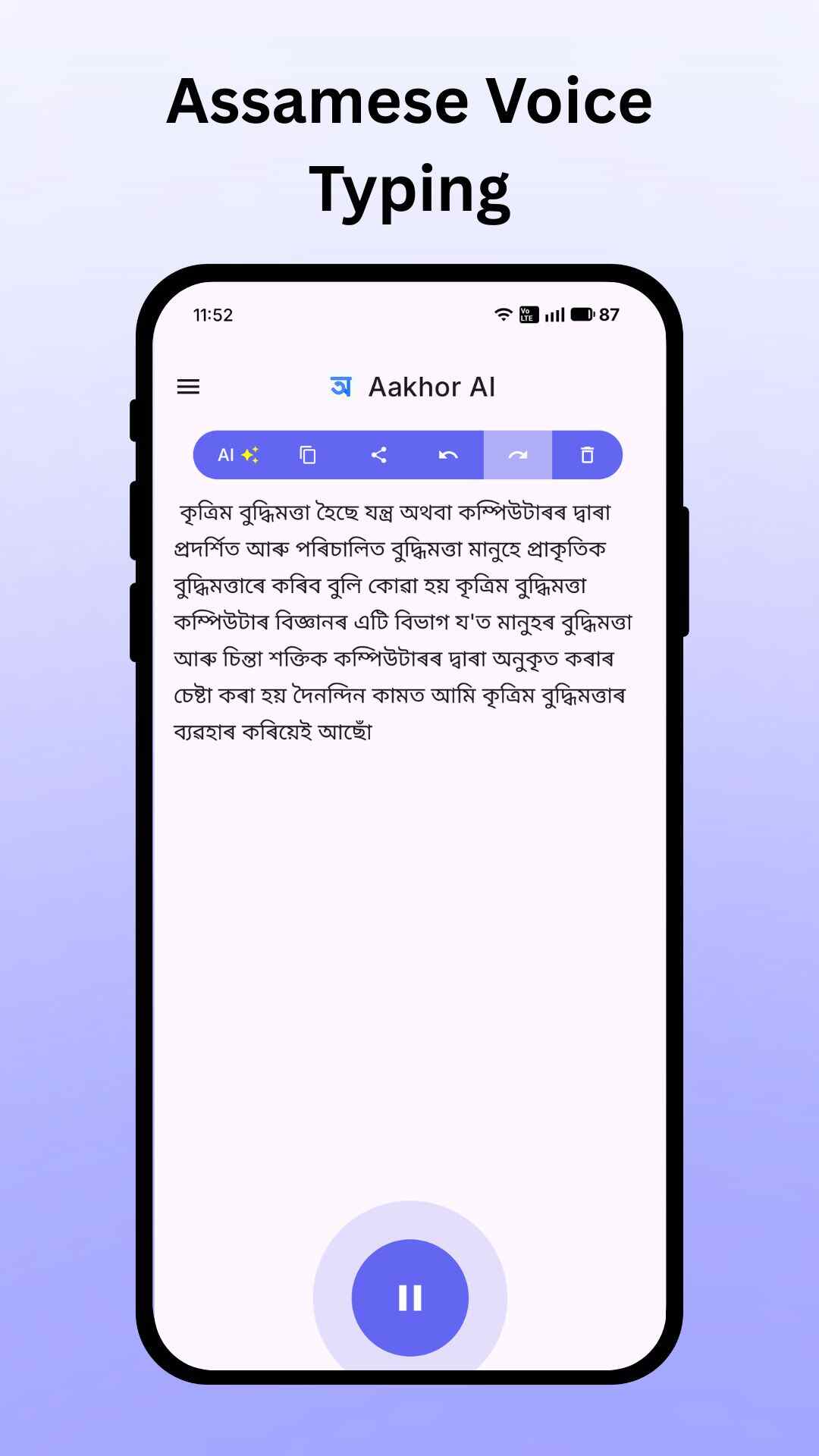
Type Assamese effortlessly by speaking. Our AI voice typing feature converts your speech to Assamese text in real time, making writing faster and more accessible for everyone.
Use Audiorelay mobile app to use your phone as a microphone for desktop
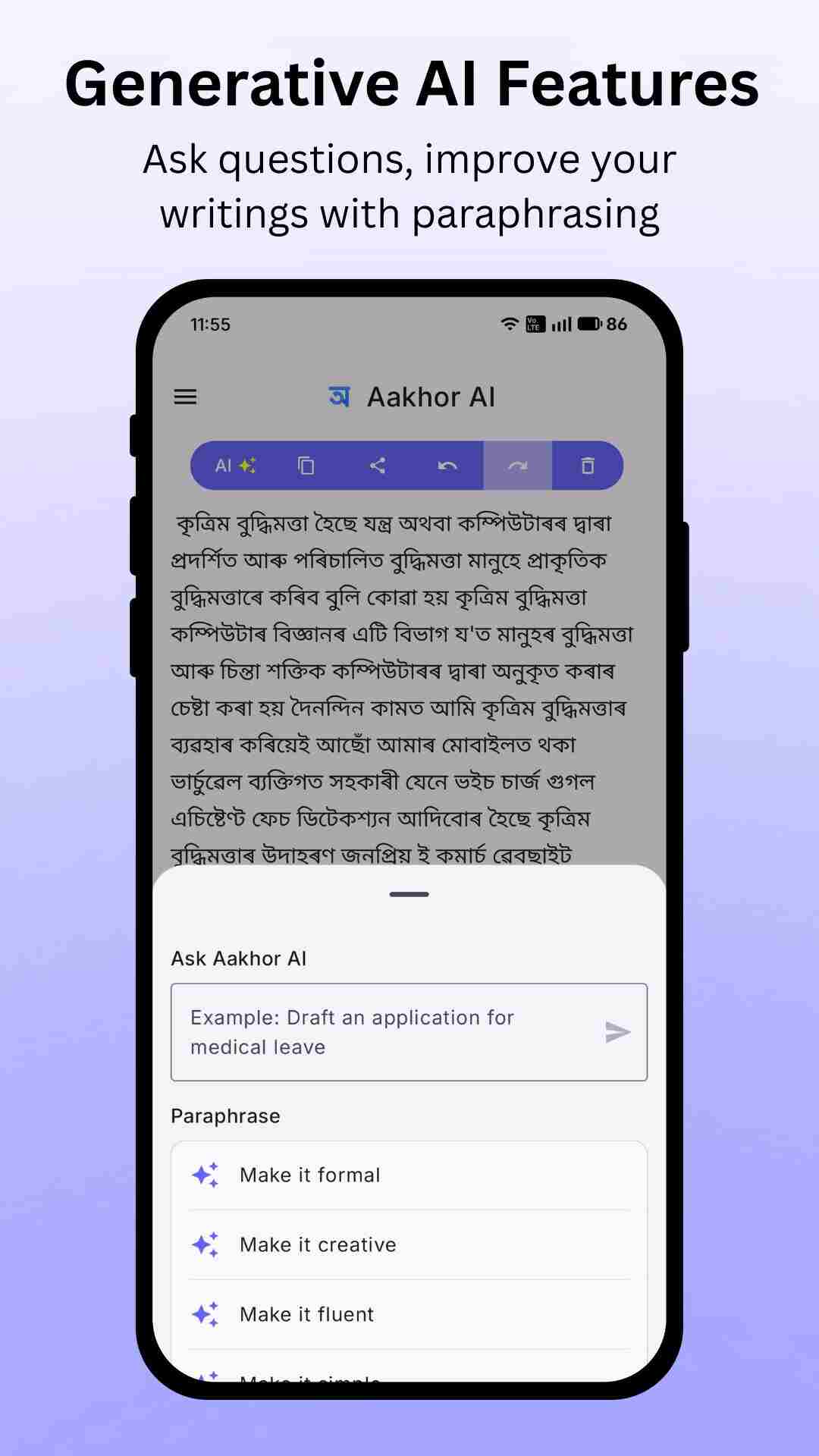
Experience seamless Assamese typing on your phone with our AI-powered mobile app. Enjoy voice typing and smart suggestions for a faster, easier writing experience.
Speak and see Assamese text appear instantly—no typing needed.
Get instant word suggestions as you type for faster, error-free writing.
Get advantage of our all-in-one toolkit
Save important thoughts instantly and access them from anywhere.
Easily share your notes with anyone.
Find word meanings, synonyms, and usage with our smart dictionary.
Utilize the power of our tools right from your browser.
Trained on millions of Assamese words, Aakhor AI lets you write blazing fast, even with zero typing experience.
3. New Piece – Minuet in D (10 min) - Right‑hand melody (bars 1‑8) – finger numbers in red - Left‑hand accompaniment – broken chords, simple arpeggios essor piano pdf
1. Warm‑up (5 min) - Review C‑major scale (two octaves, hands together) - Play D‑major scale hands separate, 2‑octave, legato | Lesson 3 introduces the C‑major scale after
Lesson 4 – The D‑major Scale & “Minuet in D” C♯) - Relative minor: B‑minor
The Essor Piano series is a modern piano method designed for beginners and intermediate players. It combines progressive technical exercises, musical pieces, and theory in a clear, visually appealing PDF format. The method is popular in both private teaching studios and school programs because it balances skill development with musical enjoyment. Core Features | Feature | Description | Example | |---------|-------------|---------| | Gradual progression | Lessons are organized in small, manageable steps, each building on the previous one. | Lesson 3 introduces the C‑major scale after mastering the C‑major chord in Lesson 2. | | Integrated theory | Each lesson includes a short theory box (key signatures, rhythm, dynamics). | Lesson 5 explains the concept of “staccato” and then applies it to a short étude. | | Repertoire selection | A variety of short pieces—from folk tunes to contemporary pop—keeps students motivated. | “Ode to Joy” (Beethoven) appears in Lesson 7, while “Let It Be” (The Beatles) is in Lesson 12. | | Technical exercises | Scales, arpeggios, and finger‑independence drills are presented in musical contexts. | A 2‑octave G‑major scale is embedded in a simple melody in Lesson 9. | | Visual layout | Large staff notation, color‑coded finger numbers, and ample margin space for notes. | Finger numbers are highlighted in red, making hand positioning obvious at a glance. | Sample Lesson Structure Below is a typical lesson excerpt (Lesson 4) reproduced from the PDF to illustrate the format.
4. Technical Exercise (5 min) - D‑major scale, hands together, 4‑note groups, metronome 80 bpm
2. Theory (3 min) - Key signature: two sharps (F♯, C♯) - Relative minor: B‑minor
Contact us for enterprise level solutions
Contact us