
ixl unblocked games
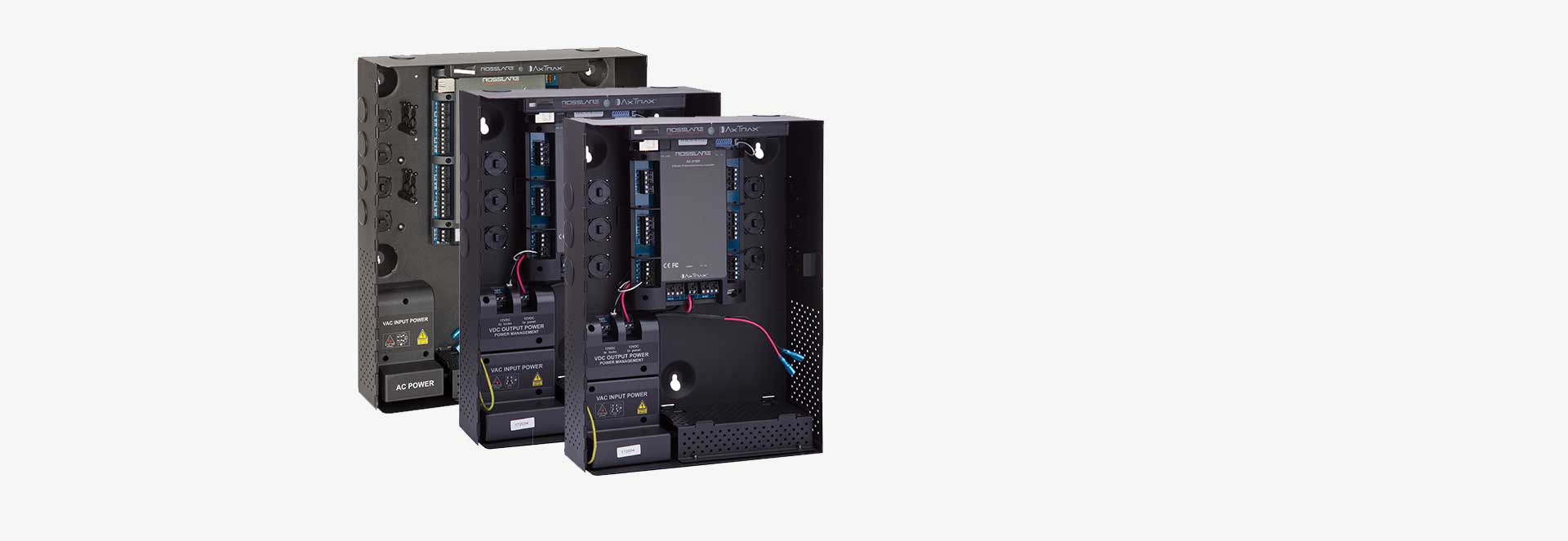
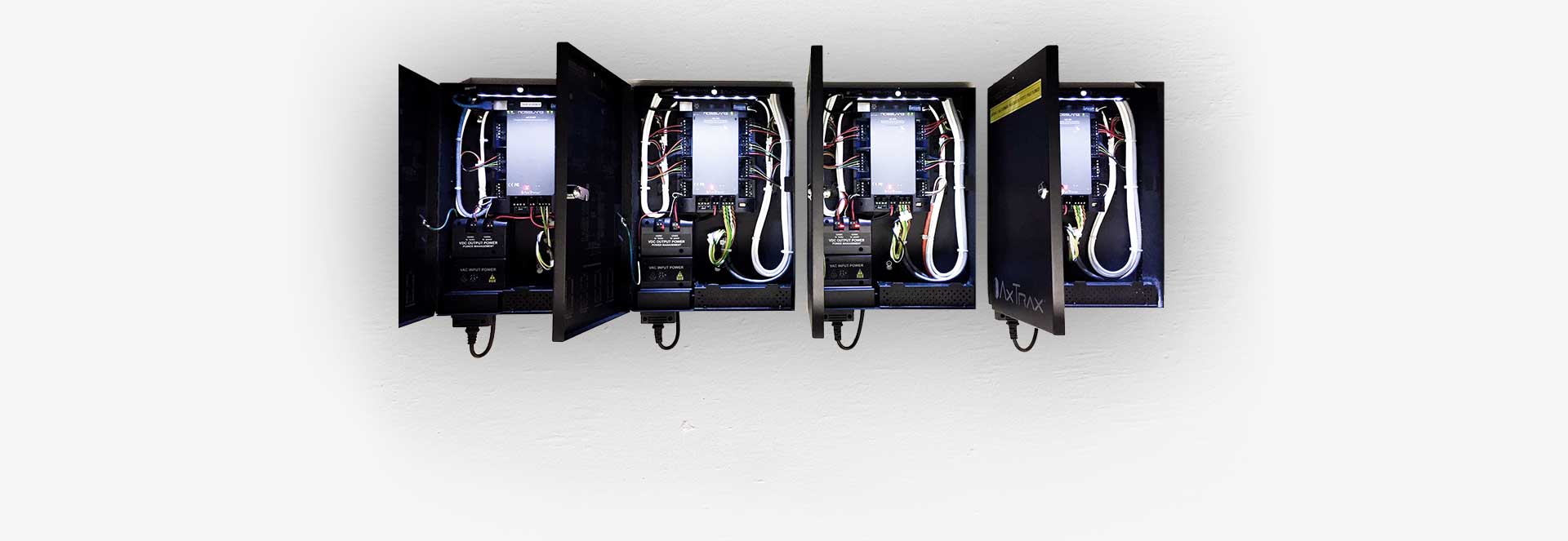
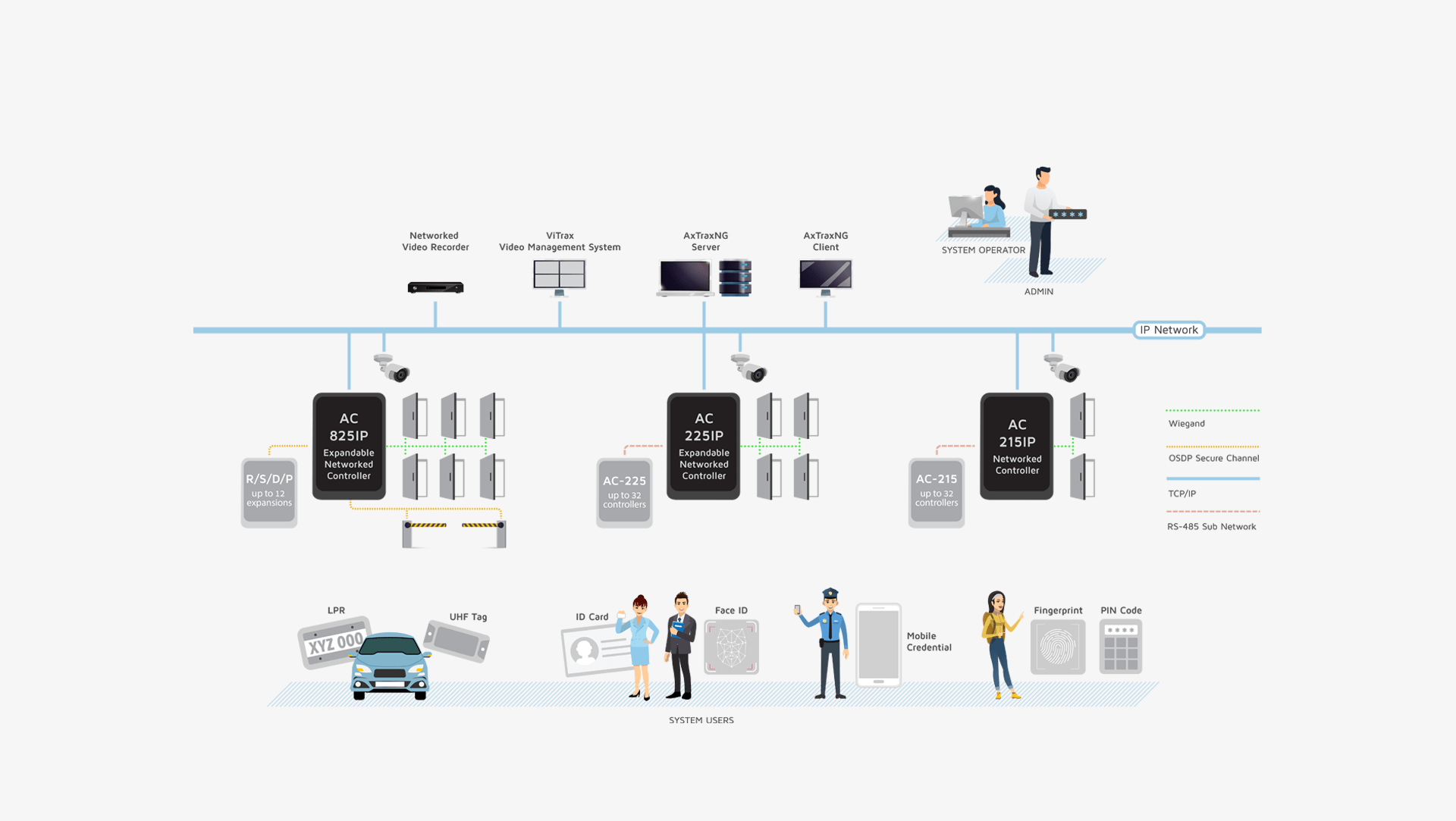
AxTraxNG is a complete server-client software management that enables setting physical access control policy across organizations that is available in multiple languages and date formats. The server manages thousands of networked access control panels and system users. The user-friendly interface is intuitive, reliable and rich in
functionality. With Rosslare’s SDK tool AxTraxNG also leverages easy integration and deployment of various
applications in security, safety, time and attendance and more. AxTraxNG allows the control and monitoring of
every aspect of site access.
Product Datasheets Development Tool











She found the first trace in an unlikely place: a cracked forum post buried under years of archived threads. Someone had posted a screenshot—a grid of colorful icons, math problems dressed like mini-levels, language puzzles that blinked like slot machines. The caption read: “IXL unblocked games — works on school Wi‑Fi.” That night, lying on her dorm-room carpet with the glow of her laptop painting her ceiling, Lena clicked every link she could find.
What emerged was a small, shifting world built from constraints. IXL, an educational platform with rows of targeted practice, wasn’t designed for play the way commercial gaming sites were. But students were inventive. Where firewalls blocked obvious domains, mirrors and proxies slid in. Where strict content filters flagged known gaming platforms, teachers’ shared resources and innocuous subdomains hid shortcuts. The “unblocked” ecosystem was less a single site and more a braided network: redirects, alternative hosts, cached pages, and cleverly renamed files. Each solution was a tiny victory over the school’s invisible barriers.
Then there were the hacks: adapted versions of classic flash games ported to run inside the learning modules, or third‑party embeds that mimicked IXL’s style and slipped past filters by appearing as educational content. These were rough around the edges—pixelated sprites, jittery sound effects, occasional freezes—but they carried an illicit thrill. Players traded links like secret maps, annotating which proxies survived VPN sweeps and which mirrored pages were still cached on the district server.