cineturismo, location, cinema, turismo, film tourism, movie tour, Ultimo Paradiso, Scamarcio, Rocco Ricciardulli, Gravina, Murgia, Puglia, Apulia, Bari, piazza unità d'Italia, Trieste, Netflix

Even as fame crept into his periphery, the man never let it drown the small disciplines he prized. He still woke before sunrise to run along the same muddy embankment where he’d first learned rhythm. He still fixed sandals for neighbors for a few baht. People asked if legend changed him; he answered by teaching a stray dog to wait patiently for its food.

Satra was born in a flooded rice field in a season when storms kept the world half-drowned. The midwife swore his first cry landed on water and that the moon bent low to listen. His family, poor but stubborn, named him Satra — a word from an old dialect meaning “resilient.” By nine he had learned balance on a broken hull and the taste of lime and grit. By twelve he’d traded a day of planting for an evening at a local camp, sitting at the edge of the ring as if he were being given lessons from the future.

Legends are elastic things; they stretch and fray, stitched by new storytellers. Some years later, a documentary crew arrived with cameras and subtitles, asking about lineage and philosophies. They recorded an old trainer who claimed Satra was descended from a line of fighters who’d once guarded royal processions; a former opponent who confessed the only time he’d cried outside the ring was after losing to Satra; a teenager who learned to walk from videos of Satra’s footwork. One cut from the footage became a viral clip, turned into a subtitle set in Indonesian for a fanbase that loved nuance and long-form storytelling: “Sub Indo verified” — a stamp of authenticity that crossed islands and cultures, binding distant viewers to the sweat and breath of one humid stadium night.

In time, rivals turned into students. Some sought the secret he seemed to carry — the mixture of patience, timing, and the strange way he could make an opponent’s strength turn inward. Satra offered no single trick, only a string of instructions: how to find the sliver of silence before a strike, how to let the body remember what the mind could not yet say, how to treat losses like weather — not a verdict, merely a condition to train under.

The legend’s final chapter is written different in every telling. One story has him walking away at the peak of acclaim into a forest where the trees remember the shape of every blade and fist. Another says he kept fighting until age slowed him, then opened a school where the next generations learned not to worship his name but to copy his discipline. Children in both Bangkok and across islands learn his stance from screens and whispered lessons; older fighters still count the rhythms he favored.

Satra, for his part, disliked legend. He preferred the quiet after practice when the mats cooled and the kettle hissed on a low flame. He gave no interviews, because words felt like flurries compared to the steady business of training. But he spoke with trainees the way a seamstress speaks to thread — firm, patient, exact. “Don’t chase the hit,” he would say in a voice that could both cradle and command. “Chase the moment it becomes unavoidable.”

Rumors gathered like clouds. Some said Satra had trained under an old master who once fought in the palace and taught him secrets of timing so precise they could collapse an enemy’s balance before a knee landed. Others swore he learned from a fisherman whose small hands taught Satra how to reel and snap his hips like casting a net. A few, drunk and sincere, declared that Satra’s left elbow had been kissed by a monk who blessed every fight he watched — a tale that gave the man an air of holy mischief.

A turning point happened on a humid night when an international fighter with a reputation for chopping through defenses stepped into the stadium. He carried the arrogance of one who’d never met an opponent who refused his script. The opening rounds belonged to him; he pummeled and pressured until the crowd leaned forward and the old women in the stands peered like hawks. But Satra moved like a river that had learned to keep its deepest currents hidden. In the fourth, the foreigner threw a barrage meant to end the story. Satra, breathing with an odd calm, slipped and answered with a strike that spoke of every small lesson he’d held — a toe planted, hip snapped, shoulder leading the follow — and the challenger went down as if the earth itself had decided to take him in.
Where it was filmed 'L'ultimo Paradiso'

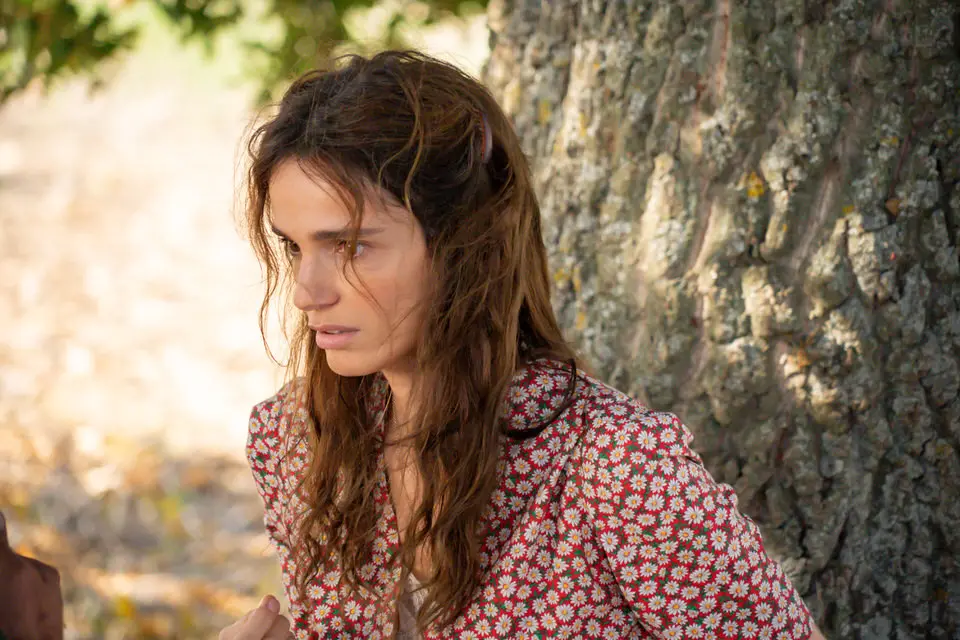
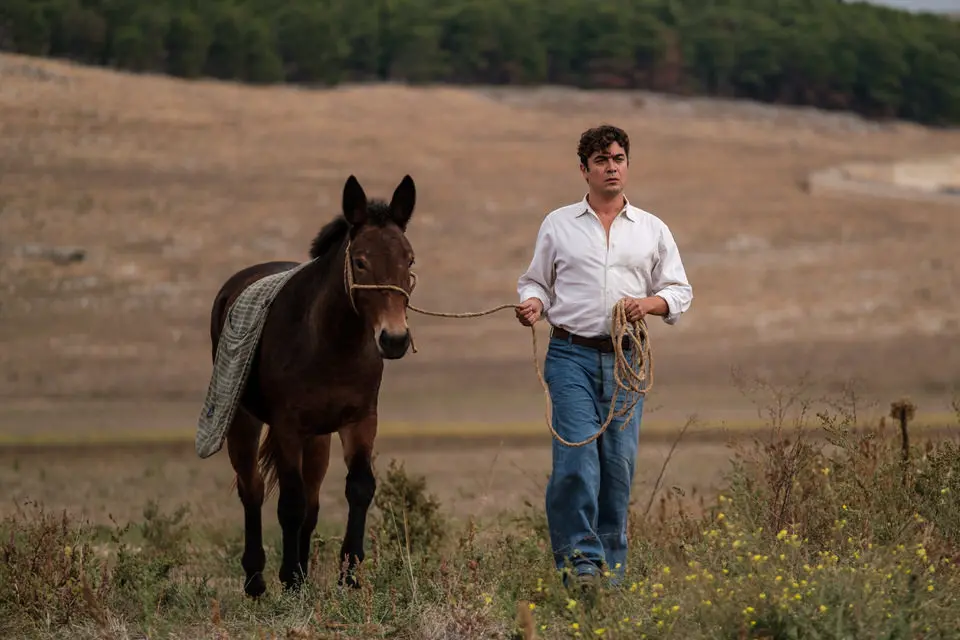
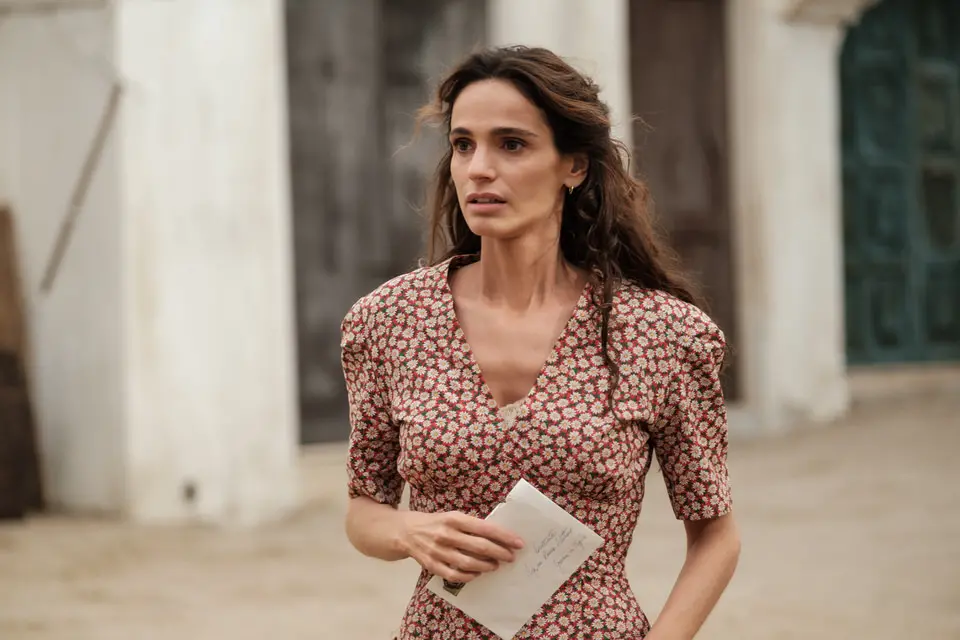
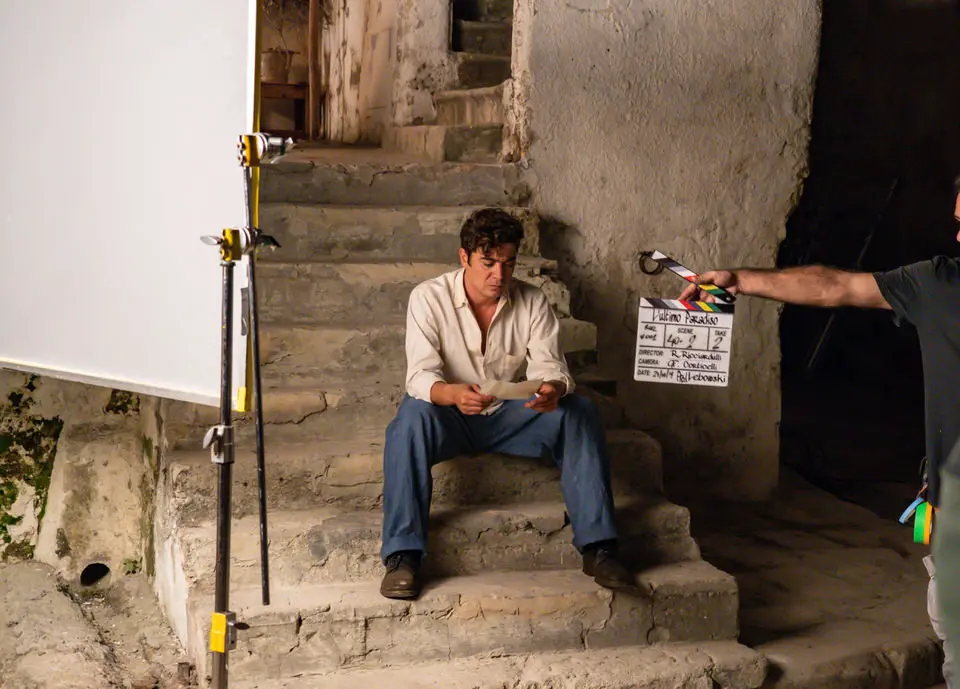
The director Rocco Ricciardulli, from Bernalda, shot his second film, L’ultimo Paradiso between October and December 2019, several dozen kilometres from his childhood home in the Murgia countryside on the border of the Apulia and Basilicata regions. The beautiful, albeit dry and arid landscape frames a story inspired by real-life events relating to the gangmaster scourge of Italy’s martyred lands. It is set in the late 1950’s, an era when certain ancestral practices of aristocratic landowners, archaic professions and a rigid division of work, owners and farmhands, oppressors and oppressed still exist and the economic boom is still far away, in time and space.

The borgo of Gravina in Puglia, where time seems to stand still, is perched at a height of 400m on a limestone deposit part of the fossa bradanica in the heart of the Parco nazionale dell’Alta Murgia. The film immortalizes the town’s alleyways, ancient residences and evocative aqueduct bridging the Gravina river. The surrounding wild nature, including olive trees, Mediterranean maquis and hectares of farm land, provides the typical colours and light of these latitudes. Just outside the residential centre, on the slopes of the Botromagno hill, which gives its name to the largest archaeological area in Apulia, is the Parco naturalistico di Capotenda, whose nature is so pristine and untouched that it provided a perfect natural backdrop for a late 1950s setting.

The alternative to oppression is departure: a choice made by Antonio whom we first meet in Trieste at the foot of the fountain of the Four Continents whose Baroque appearance decorates the majestic piazza Unità d’Italia.

Where it was filmed 'L'ultimo Paradiso'

The director Rocco Ricciardulli, from Bernalda, shot his second film, L’ultimo Paradiso between October and December 2019, several dozen kilometres from his childhood home in the Murgia countryside on the border of the Apulia and Basilicata regions. The beautiful, albeit dry and arid landscape frames a story inspired by real-life events relating to the gangmaster scourge of Italy’s martyred lands. It is set in the late 1950’s, an era when certain ancestral practices of aristocratic landowners, archaic professions and a rigid division of work, owners and farmhands, oppressors and oppressed still exist and the economic boom is still far away, in time and space.

The borgo of Gravina in Puglia, where time seems to stand still, is perched at a height of 400m on a limestone deposit part of the fossa bradanica in the heart of the Parco nazionale dell’Alta Murgia. The film immortalizes the town’s alleyways, ancient residences and evocative aqueduct bridging the Gravina river. The surrounding wild nature, including olive trees, Mediterranean maquis and hectares of farm land, provides the typical colours and light of these latitudes. Just outside the residential centre, on the slopes of the Botromagno hill, which gives its name to the largest archaeological area in Apulia, is the Parco naturalistico di Capotenda, whose nature is so pristine and untouched that it provided a perfect natural backdrop for a late 1950s setting.

The alternative to oppression is departure: a choice made by Antonio whom we first meet in Trieste at the foot of the fountain of the Four Continents whose Baroque appearance decorates the majestic piazza Unità d’Italia.

Browse the gallery

Data sheet

the legend of muay thai 9 satra sub indo verified
Genre
Film drama
Directed by
Rocco Ricciardulli
Cast
Riccardo Scamarcio, Gaia Bermani Amaral, Valentina Cervi, Antonio Gerardi, Anna Maria De Luca, Mimmo Mignemi, Federica Torchetti, Donato Demita, Nicoletta Carbonara, Matteo Scaltrito, Erminio Trungellito
Country of production
Italy
Year
2021
Setting year
1958
Production

Lebowski, Silver Productions

Plot

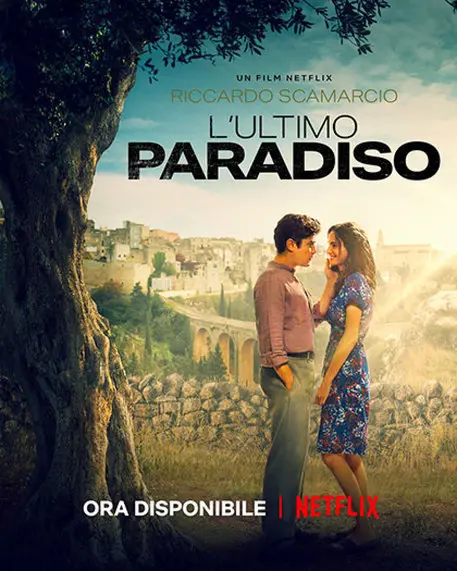
In 1958, Ciccio, a farmer in his forties married to Lucia and the father of a son of 7, is fighting with his fellow workers against those who exploit their work, while secretly in love with Bianca, the daughter of Cumpà Schettino, a feared and untrustworthy landowner.

The locations

The Legend Of Muay Thai 9 Satra Sub Indo Verified May 2026

Even as fame crept into his periphery, the man never let it drown the small disciplines he prized. He still woke before sunrise to run along the same muddy embankment where he’d first learned rhythm. He still fixed sandals for neighbors for a few baht. People asked if legend changed him; he answered by teaching a stray dog to wait patiently for its food.

Satra was born in a flooded rice field in a season when storms kept the world half-drowned. The midwife swore his first cry landed on water and that the moon bent low to listen. His family, poor but stubborn, named him Satra — a word from an old dialect meaning “resilient.” By nine he had learned balance on a broken hull and the taste of lime and grit. By twelve he’d traded a day of planting for an evening at a local camp, sitting at the edge of the ring as if he were being given lessons from the future.

Legends are elastic things; they stretch and fray, stitched by new storytellers. Some years later, a documentary crew arrived with cameras and subtitles, asking about lineage and philosophies. They recorded an old trainer who claimed Satra was descended from a line of fighters who’d once guarded royal processions; a former opponent who confessed the only time he’d cried outside the ring was after losing to Satra; a teenager who learned to walk from videos of Satra’s footwork. One cut from the footage became a viral clip, turned into a subtitle set in Indonesian for a fanbase that loved nuance and long-form storytelling: “Sub Indo verified” — a stamp of authenticity that crossed islands and cultures, binding distant viewers to the sweat and breath of one humid stadium night.

In time, rivals turned into students. Some sought the secret he seemed to carry — the mixture of patience, timing, and the strange way he could make an opponent’s strength turn inward. Satra offered no single trick, only a string of instructions: how to find the sliver of silence before a strike, how to let the body remember what the mind could not yet say, how to treat losses like weather — not a verdict, merely a condition to train under.

The legend’s final chapter is written different in every telling. One story has him walking away at the peak of acclaim into a forest where the trees remember the shape of every blade and fist. Another says he kept fighting until age slowed him, then opened a school where the next generations learned not to worship his name but to copy his discipline. Children in both Bangkok and across islands learn his stance from screens and whispered lessons; older fighters still count the rhythms he favored.

Satra, for his part, disliked legend. He preferred the quiet after practice when the mats cooled and the kettle hissed on a low flame. He gave no interviews, because words felt like flurries compared to the steady business of training. But he spoke with trainees the way a seamstress speaks to thread — firm, patient, exact. “Don’t chase the hit,” he would say in a voice that could both cradle and command. “Chase the moment it becomes unavoidable.”

Rumors gathered like clouds. Some said Satra had trained under an old master who once fought in the palace and taught him secrets of timing so precise they could collapse an enemy’s balance before a knee landed. Others swore he learned from a fisherman whose small hands taught Satra how to reel and snap his hips like casting a net. A few, drunk and sincere, declared that Satra’s left elbow had been kissed by a monk who blessed every fight he watched — a tale that gave the man an air of holy mischief.

A turning point happened on a humid night when an international fighter with a reputation for chopping through defenses stepped into the stadium. He carried the arrogance of one who’d never met an opponent who refused his script. The opening rounds belonged to him; he pummeled and pressured until the crowd leaned forward and the old women in the stands peered like hawks. But Satra moved like a river that had learned to keep its deepest currents hidden. In the fourth, the foreigner threw a barrage meant to end the story. Satra, breathing with an odd calm, slipped and answered with a strike that spoke of every small lesson he’d held — a toe planted, hip snapped, shoulder leading the follow — and the challenger went down as if the earth itself had decided to take him in.
Discover the works shot in the same places

All works
Albatross
Film biopic drama
Directed by: Giulio Base
Alla festa della Rivoluzione
Film drama
Directed by: Arnaldo Catinari
Alla festa della rivoluzione
Film drama
Directed by: Arnaldo Catinari
Neverfriends
Film comedy
Directed by: Maurizio Nichetti
Babylon Sisters
Film drama, comedy and familiar
Directed by: Gigi Roccati
Caffè
Film drama
Directed by: Cristiano Bortone
Heads of State
Film action, thriller
Directed by: Ilya Naishuller
Christ Stopped at Eboli
Biographical film
Directed by: Francesco Rosi
The White Line
Film drama
Directed by: Luigi Zampa
More Than a Miracle
Film comedy, fantasy
Directed by: Francesco Rosi
Across the River and Into the Trees
Film dramma, war
Directed by: Paula Ortiz
Diabolik
Film thriller
Directed by: Marco Manetti, Antonio Manetti
Diabolik - Ginko all'attacco!
Film thriller
Directed by: Marco Manetti, Antonio Manetti
Diabolik — Who Are You?
Film thriller
Directed by: Marco Manetti, Antonio Manetti
Gomorrah 2 – The series
TV series – 12 episodes
Directed by: Stefano Sollima, Claudio Cupellini, Francesca Comencini, Claudio Giovannesi
Big Deal After 20 Years
Film comedy
Directed by: Amanzio Todini
My Own Good
Film drama
Directed by: Pippo Mezzapesa
The English Patient
Film drama
Directed by: Anthony Minghella
The Invisible Boy
Film fantasy
Directed by: Gabriele Salvatores
Il re
Tv series - 8 episodes
Directed by: Giuseppe Gagliardi
The Bride’s Journey
Film drama
Directed by: Sergio Rubini
La lezione
Film drama
Directed by: Stefano Mordini
The Best Offer
Film drama
Directed by: Giuseppe Tornatore
The Red Door
Tv series - 3 seasons - 32 episodes
Directed by: Carmine Elia
The Girl Has Flown
Film drama
Directed by: Wilma Labate
Libera
Tv series - 8 episodes
Directed by: Gianluca Mazzella
Lift
Film action, comedy
Directed by: F. Gary Gray
M - Son of the Century
Tv series - 8 episodes
Directed by: Joe Wright
Margherita delle stelle
Film tv
Directed by: Giulio Base
Napoli - New York
FIlm drama
Directed by: Gabriele Salvatores
No Time to Die
Spy film
Directed by: Cary Fukunaga
Pinocchio
Film fantasy
Directed by: Matteo Garrone
Prophets
Film drama
Directed by: Alessio Cremonini
That Dirty Black Bag
Tv series - 8 episodes
Directed by: Mauro Aragoni, Brian O'Malley
Blonde in Black Leather
Film comedy
Directed by: Carlo Di Palma
The Old Guard 2
Film action
Directed by: Victoria Mahoney
Tolo Tolo
Film comedy
Directed by: Luca Medici
Three Brothers
Film drama
Directed by: Francesco Rosi
Un anno di scuola
Film drama
Directed by: Laura Samani
Yunan
Film drama
Directed by: Ameer Fakher Eldin